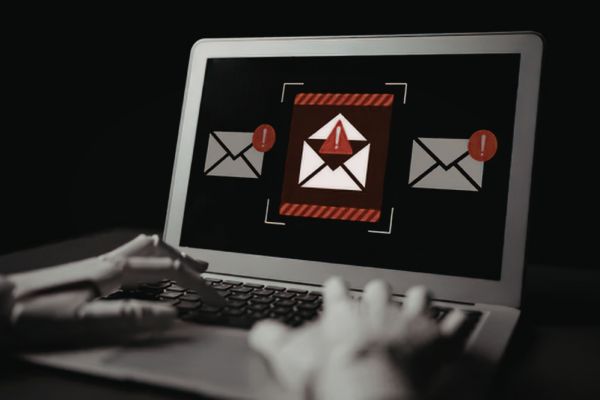
It usually starts with something small. A message that feels just urgent enough to grab your attention. An email that looks familiar, maybe even convincing. A quick request to “verify” something. And before you realize it, a simple click can open the door to something much bigger.
Understanding how to avoid phishing scams isn’t just about technical knowledge—it’s about awareness, instinct, and slowing down at the right moment. In a world where communication is constant and digital spaces blur into everyday life, phishing has quietly become one of the most common online threats. But the good news is that it’s also one of the most preventable.
Why Phishing Scams Work So Well
Phishing isn’t successful because it’s sophisticated. It’s successful because it plays on human behavior. Curiosity, urgency, trust—these are the tools scammers rely on.
A message might claim your account has been compromised. Or that you’ve won something unexpected. Sometimes it mimics routine communication, like a delivery update or a bank notification. The goal is simple: get you to act before you think.
What makes phishing tricky is how ordinary it can feel. The language is often casual, even friendly. And the timing? Sometimes oddly perfect. That’s not coincidence—it’s calculated.
Recognizing the Subtle Warning Signs
At first glance, many phishing attempts don’t look suspicious. But once you know what to look for, the cracks start to show.
There’s often a sense of urgency woven into the message. Words like “immediately,” “urgent,” or “final notice” are meant to rush your decision-making. Legitimate organizations rarely pressure users in this way, especially through email or text.
Then there’s the issue of mismatched details. A sender’s email might look official, but a closer look reveals slight misspellings or extra characters. A link might appear correct but lead somewhere entirely different when hovered over.
Even the tone can be a giveaway. Messages that feel oddly generic or slightly off in phrasing often signal automation rather than genuine communication. It’s subtle, but once you notice it, it becomes hard to ignore.
The Psychology Behind Clicking
It’s easy to assume that falling for a phishing scam means carelessness. In reality, it’s often the opposite. People who are busy, responsible, and trying to stay on top of things are especially vulnerable.
Think about it. You receive a message about your bank account. You don’t want to ignore it. You want to fix it quickly. That instinct—to act responsibly—can be used against you.
Phishing thrives in moments when you’re distracted or multitasking. A quick glance, a quick click, and suddenly you’re on a page that looks real but isn’t. That’s all it takes.
Learning how to avoid phishing scams means learning to pause. Even just a few seconds of hesitation can make all the difference.
Safe Habits That Make a Big Difference
Avoiding phishing isn’t about memorizing every possible scam—it’s about building habits that protect you automatically.
One of the most effective habits is verifying before clicking. If a message asks you to log in or provide information, don’t use the link provided. Instead, go directly to the official website or app. It takes a few extra seconds, but it removes the risk entirely.
Another habit is questioning unexpected messages. If you weren’t expecting a delivery, why would there be a tracking link? If you didn’t request a password reset, why is there an email about it?
Even something as simple as checking the sender’s address can reveal a lot. It’s a small step, but it often exposes the scam immediately.
The Role of Technology in Staying Safe
While awareness is key, technology plays an important supporting role. Modern email services and browsers are better than ever at filtering suspicious content. But they’re not perfect.
Spam filters can catch many phishing attempts, but some still slip through. That’s why relying entirely on automated protection isn’t enough.
Keeping your devices updated is another simple but powerful step. Security updates often patch vulnerabilities that scammers might try to exploit. It’s not something you notice day to day, but it quietly strengthens your defenses.
Two-factor authentication also adds an extra layer of protection. Even if someone manages to get your password, they still can’t access your account without that second verification step.
When Phishing Becomes More Personal
Not all phishing attempts are random. Some are carefully targeted. These are often referred to as spear phishing, where the attacker uses specific information about you to make the message more convincing.
You might receive an email that mentions your workplace, a recent purchase, or even a colleague’s name. It feels real because it includes details that only a legitimate source would know—or so it seems.
In reality, much of this information is publicly available or gathered from previous data breaches. That’s what makes these attacks so effective. They don’t just look real—they feel personal.
Being aware of this tactic is crucial. Even a message that seems highly relevant should still be treated with caution if it asks for sensitive information.
Social Media and Messaging Apps as Entry Points
Phishing isn’t limited to email anymore. It has expanded into social media platforms, messaging apps, and even phone calls.
A direct message from someone you know might contain a suspicious link. Sometimes accounts are compromised and used to spread phishing attempts further. Because the message comes from a familiar name, it feels safe.
Scammers also use fake profiles to impersonate brands or individuals. These profiles often look convincing, complete with logos, photos, and regular posts.
The key here is consistency. If something feels slightly off—even if it’s from a known contact—it’s worth double-checking. A quick confirmation can prevent a much bigger problem.
What to Do If You Clicked Something Suspicious
Even with the best habits, mistakes can happen. A moment of distraction, a rushed decision—it’s human.
If you realize you’ve clicked on a suspicious link, don’t panic. The next steps matter more than the mistake itself.
Close the page immediately. Avoid entering any information. If you did enter details, especially passwords, change them right away. Start with the affected account and then any others that use the same password.
Running a security scan on your device can also help identify any potential threats. It’s a precaution that adds peace of mind.
Most importantly, learn from the experience. Each encounter with phishing sharpens your awareness and makes you less likely to fall for future attempts.
Building Long-Term Awareness
Learning how to avoid phishing scams isn’t a one-time task. It’s an ongoing process. Scammers adapt quickly, constantly refining their methods to stay effective.
But the core principles remain the same. Question urgency. Verify sources. Pause before acting.
Over time, these habits become second nature. You start to recognize patterns, spot inconsistencies, and trust your instincts. What once felt confusing becomes clearer.
And perhaps that’s the most powerful defense of all—not just knowledge, but awareness that grows with experience.
A Simple Shift in Perspective
Phishing scams rely on one key assumption: that you’ll react quickly without thinking deeply. Breaking that pattern is often enough to stop them entirely.
It doesn’t require advanced technical skills or constant vigilance. Just a slight shift in how you approach unexpected messages. A willingness to slow down, to question, to verify.
In a digital world that often pushes speed and convenience, taking a moment to think might feel unusual. But it’s exactly that pause that keeps you safe.
Conclusion
Understanding how to avoid phishing scams is less about mastering technology and more about understanding behavior—both yours and the scammer’s. These attacks succeed not because they are flawless, but because they catch people in ordinary moments.
By developing simple habits, staying aware of common tactics, and trusting your instincts when something feels off, you create a strong line of defense. It’s not about being perfect. It’s about being mindful.
And in most cases, that small moment of hesitation—the decision not to click right away—is all it takes to stay one step ahead.