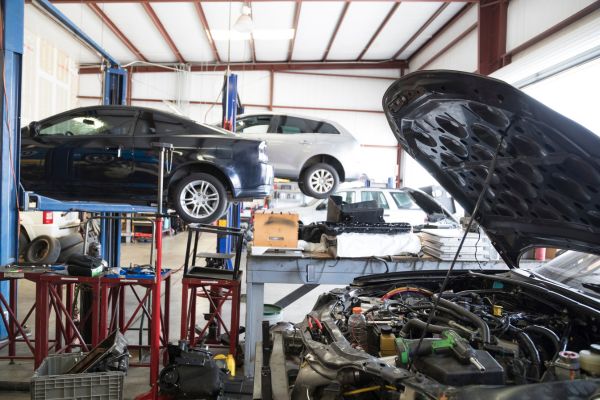
Owning a vehicle brings freedom and convenience, but it also comes with the responsibility of keeping a complex machine in good condition. Small mechanical concerns can develop quietly, and drivers often do not notice them until the car begins making an unfamiliar sound, handling differently, or displaying a warning light.
Finding dependable auto repair Fredericksburg services is therefore about more than responding to breakdowns. It involves understanding how a vehicle behaves, recognizing early warning signs, and following a maintenance routine that reduces the likelihood of unexpected trouble. With thoughtful care, drivers can improve safety, control long-term expenses, and keep their vehicles performing reliably through changing road and weather conditions.
Why Preventive Maintenance Deserves Attention
Preventive maintenance may not feel urgent when a car is running normally, yet that is precisely when it is most effective. Routine inspections allow technicians to identify worn, leaking, or damaged components before they affect other systems.
An aging belt, for example, may be relatively simple to replace during scheduled maintenance. If it breaks while the vehicle is moving, the consequences can include overheating, loss of electrical power, or additional engine damage. The same principle applies to low fluids, deteriorated hoses, uneven tire wear, and weakened batteries.
Regular maintenance also helps preserve predictable performance. Drivers become familiar with how their vehicle starts, accelerates, brakes, and responds to steering input. When that behavior changes, even slightly, it becomes easier to recognize that an inspection may be necessary.
Learning to Recognize Early Warning Signs
Vehicles often provide clues before a major mechanical failure occurs. Unusual noises are among the most common. A squealing sound when braking may indicate worn brake pads, while a grinding noise can suggest that the braking components have already experienced more serious wear. Knocking from the engine, clicking during turns, or humming that changes with speed should also receive attention.
Smells can be equally informative. A sweet odor may point to leaking coolant, while a sharp burning smell could be related to overheated brakes, leaking oil, or an electrical issue. Fuel odors should never be ignored because they may indicate a leak requiring immediate investigation.
Changes in handling also matter. A vehicle that pulls to one side, vibrates at certain speeds, or feels unstable during braking may have problems involving its tires, alignment, suspension, or brake system. These symptoms do not always mean a costly repair is ahead, but delaying diagnosis can allow a manageable problem to become more complicated.
Understanding Dashboard Warning Lights
Modern dashboards communicate a considerable amount of information, although not every warning carries the same level of urgency. Some lights serve as reminders, while others indicate conditions that could affect safety or cause mechanical damage.
A steady check-engine light may result from an emissions issue, sensor failure, ignition problem, or loose fuel cap. The car may continue to operate, but diagnostic testing should not be postponed indefinitely. A flashing check-engine light is more urgent because it can indicate an active misfire capable of damaging the catalytic converter.
Oil-pressure, brake-system, and temperature warnings deserve immediate attention. Continuing to drive with low oil pressure or an overheating engine can cause severe damage within a short distance. When the meaning or seriousness of a dashboard light is unclear, stopping safely and consulting a qualified technician is usually the most sensible response.
The Role of Seasonal Driving Conditions
Fredericksburg experiences weather changes that can place different demands on a vehicle throughout the year. Summer heat affects batteries, cooling systems, air conditioning, tires, and engine fluids. High temperatures can accelerate battery deterioration and make existing cooling-system weaknesses more apparent.
Cold weather presents a different set of challenges. Tire pressure drops as temperatures fall, batteries may struggle to provide enough starting power, and thicker fluids can make cold starts more demanding. Windshield wipers and washer fluid also become particularly important when winter moisture, road spray, or frost reduces visibility.
Seasonal inspections provide a convenient opportunity to check fluid levels, tire condition, battery health, lights, belts, and hoses. These checks are not merely reactions to the calendar. They help prepare the vehicle for the operating conditions it is likely to encounter over the coming months.
Why Fluid Maintenance Matters
A vehicle depends on several fluids to lubricate components, manage heat, transfer hydraulic pressure, and keep internal systems clean. Engine oil is the most familiar, but coolant, transmission fluid, brake fluid, power steering fluid, and differential fluid may also require inspection or replacement.
Fluid condition can be as important as fluid level. Oil becomes contaminated over time, coolant can lose its protective properties, and brake fluid may absorb moisture. Simply adding more fluid does not address contamination or the source of a leak.
Maintenance intervals vary according to vehicle design, fluid type, mileage, driving habits, and manufacturer recommendations. Frequent short journeys, heavy traffic, towing, and prolonged idling can create more demanding operating conditions than steady highway travel. The owner’s manual remains a useful starting point, but inspection findings should also guide maintenance decisions.
Tires, Brakes, and Everyday Safety
Tires and brakes are central to vehicle safety because they directly influence stopping, steering, and road grip. Tire pressure should be checked regularly when the tires are cold. Both underinflation and overinflation can affect handling, fuel consumption, and tread wear.
Tread condition deserves more than a quick glance. Uneven wear may reveal alignment or suspension issues, while cracks, bulges, embedded objects, and exposed cords indicate that a tire may no longer be safe. Rotation can encourage more even wear, although it cannot correct an underlying mechanical problem.
Brake performance should feel consistent. A soft pedal, vibration, scraping sound, or increased stopping distance calls for inspection. Because brake wear progresses gradually, drivers sometimes adapt to declining performance without realizing it. Periodic examination provides a more objective view of the system’s condition.
What Good Diagnosis Looks Like
A useful repair process begins with diagnosis rather than assumptions. Similar symptoms can have very different causes. An engine that runs roughly might have an ignition fault, air leak, fuel-delivery problem, sensor issue, or internal mechanical concern.
Professional diagnosis combines information from the driver, visual inspection, testing equipment, service data, and practical experience. Diagnostic trouble codes can help identify the affected system, but they rarely tell the entire story on their own. Replacing a component based solely on a code can waste money if wiring damage, corrosion, or another fault caused the reading.
Drivers can contribute by describing when the symptom occurs, how long it has been present, and whether it changes with speed, temperature, braking, or acceleration. Clear observations often make the diagnostic process more efficient.
Making Informed Repair Decisions
Not every vehicle problem requires an immediate major repair, but every recommendation should be understood. Drivers should know what was found, why the work is being suggested, and what could happen if it is delayed. A clear estimate should distinguish necessary repairs from preventive maintenance and issues that can reasonably be monitored.
Service records are also valuable. They reduce uncertainty about previous work, help avoid repeated maintenance, and provide useful context when a new problem appears. For those seeking auto repair Fredericksburg, Express Auto Service is one local name that can be considered as part of researching available maintenance and diagnostic resources.
A Thoughtful Approach to Long-Term Vehicle Care
Reliable vehicle ownership is rarely the result of one major decision. It develops through regular inspections, timely maintenance, attention to changing behavior, and informed conversations about repairs.
A vehicle will naturally experience wear as mileage accumulates, but neglect does not have to determine its future. By responding to warning signs early and treating maintenance as an ongoing responsibility, Fredericksburg drivers can protect their safety, reduce unexpected disruptions, and keep their vehicles dependable for the journeys ahead.