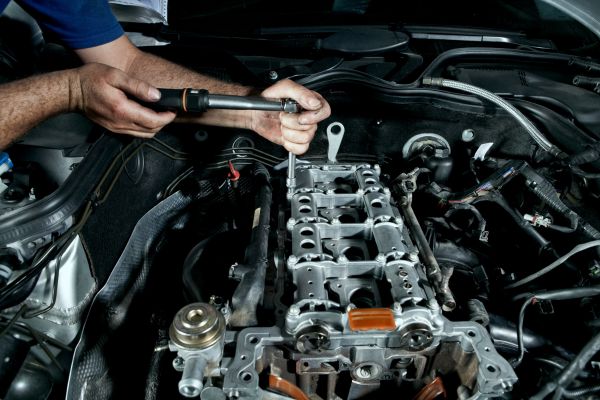
Auto repair is one of those things most drivers do not think about until something starts to feel wrong. A strange sound under the hood, a dashboard light that refuses to disappear, a soft brake pedal, or a tire that keeps losing air can quickly turn an ordinary day into a stressful one. In a community like Orrville, where people rely on their vehicles for work, school, errands, appointments, and weekend plans, dependable transportation is not a luxury. It is part of daily life.
The phrase Auto Repair Orrville may sound simple, but it covers a wide range of needs. Some repairs are small and routine, like oil changes or tire rotations. Others are more involved, such as brake work, suspension repairs, electrical diagnostics, engine trouble, or transmission concerns. What connects them all is the same basic goal: keeping a vehicle safe, functional, and ready for the road.
Good auto repair is not only about fixing a problem after it appears. It is also about noticing early warning signs, understanding how different systems work together, and helping a vehicle last longer with fewer surprises.
Why Local Driving Conditions Matter
Every town has its own driving rhythm, and Orrville is no different. Local roads, seasonal changes, stop-and-go traffic, short trips, and rural routes can all affect how a vehicle wears over time. A car that mostly travels short distances may experience different issues than one used for long highway commutes. Frequent braking, cold starts, uneven roads, and changing weather can all leave their mark.
This is why auto repair should never be treated as a one-size-fits-all service. The way a vehicle is driven matters. So does its age, mileage, maintenance history, and even the kind of roads it travels on most often. A mechanic who understands these everyday patterns can often spot problems that might be missed in a more generic inspection.
For example, brakes may wear faster for drivers who make frequent short trips around town. Suspension components may take extra strain from rough patches or potholes. Batteries may weaken during cold weather or after many short drives that do not give them enough time to recharge fully. These are ordinary issues, but when ignored, they can become expensive ones.
The Value of Preventive Maintenance
Many drivers wait until something breaks before visiting a repair shop. It is understandable. Life gets busy, and if the car starts every morning, it is easy to assume everything is fine. But preventive maintenance is often what keeps repair costs from growing larger than they need to be.
Oil changes, fluid checks, tire inspections, brake evaluations, filter replacements, and battery testing may not seem exciting, but they play an important role in vehicle health. Skipping them can cause small problems to quietly build over time. Dirty oil can increase engine wear. Low coolant can lead to overheating. Worn brake pads can damage rotors. Poor tire pressure can affect fuel economy and handling.
A well-maintained vehicle usually feels better on the road, too. It starts more reliably, brakes more smoothly, handles more predictably, and gives the driver a stronger sense of control. That peace of mind matters, especially for families, commuters, and anyone who depends on their car every day.
Common Signs Your Vehicle Needs Attention
Cars often give warnings before a major failure happens. The challenge is knowing which signs should not be ignored. A dashboard warning light is an obvious signal, but other symptoms can be more subtle.
A grinding noise while braking may suggest worn brake pads. A burning smell could point to an oil leak, overheating, or another mechanical issue. Shaking at higher speeds may be related to tire balance, alignment, or suspension wear. A slow engine start could mean the battery is weak or the charging system needs attention. Pulling to one side while driving may indicate an alignment problem, uneven tire wear, or brake concerns.
Even changes in fuel mileage can be meaningful. If a car suddenly uses more fuel than usual, it may need a tune-up, tire service, sensor diagnosis, or engine inspection. These small changes are worth noticing because vehicles rarely become unreliable overnight. More often, they decline gradually.
Why Diagnostics Have Become So Important
Modern vehicles are more advanced than ever. They use sensors, computers, electronic controls, and complex systems that communicate constantly. This technology has made cars safer and more efficient, but it has also changed the way repairs are handled.
A check engine light, for instance, does not always point to one simple problem. It may be connected to emissions, ignition, fuel delivery, airflow, sensors, or electrical issues. Guessing can lead to wasted time and unnecessary parts. Proper diagnostics help narrow the issue before repairs begin.
This is especially important for drivers who want honest answers and practical solutions. A good diagnostic process is not just about reading a code from a scanner. It involves testing, inspection, experience, and understanding how the vehicle behaves as a whole. The goal is to find the cause, not just treat the symptom.
Safety Should Always Come First
Some auto repairs can wait a little while, but safety-related issues should be handled quickly. Brakes, steering, tires, lights, suspension, and windshield visibility all affect how safely a vehicle can be driven. When one of these systems is not working correctly, the risk is not just inconvenience. It can affect everyone in the vehicle and others on the road.
Brake problems are especially important. Squealing, grinding, vibration, or a longer stopping distance should never be brushed aside. Tires are just as critical. Low tread, uneven wear, sidewall damage, or incorrect pressure can reduce traction, especially in wet or cold conditions.
Steering and suspension issues also deserve attention. If a vehicle feels loose, bouncy, unstable, or difficult to control, it should be inspected. These problems can worsen gradually, making it easy for a driver to adjust without realizing the vehicle is becoming less safe.
Choosing an Auto Repair Shop with Care
Finding the right repair shop is about more than choosing the nearest building with a service bay. Trust matters. Drivers want to know that the work is being done carefully, that repairs are explained clearly, and that they are not being pushed into services they do not understand.
A good repair experience usually begins with communication. The shop should listen to what the driver has noticed, ask useful questions, inspect the vehicle properly, and explain what they find in plain language. Technical knowledge matters, but so does transparency.
It is also helpful when a shop can handle both routine maintenance and more detailed repairs. This allows the technician to become familiar with the vehicle over time. That history can make future diagnosis easier and help the driver make better decisions about repairs, especially as the vehicle ages.
How Regular Repairs Protect Long-Term Value
A vehicle is a major investment, and regular maintenance helps protect that investment. Even older cars can remain dependable when they are cared for properly. In many cases, small repairs done on time can extend the life of major components.
For example, replacing worn belts or hoses can prevent breakdowns. Fixing leaks early can protect the engine or transmission. Keeping tires aligned can reduce uneven wear. Maintaining fluids can help systems operate with less strain. None of these tasks feel dramatic, but together they make a real difference.
For drivers in Orrville, this practical approach can be especially useful. Not every vehicle needs to be replaced just because it has mileage on it. With the right attention, many cars and trucks can continue serving their owners reliably for years.
When Local Knowledge Makes Repairs Easier
There is something valuable about working with a repair shop that understands the local pace of life. Drivers need their vehicles for school drop-offs, job sites, grocery trips, church, appointments, and family visits. When a car is out of service, even briefly, it can disrupt the whole day.
Local repair decisions often come down to trust, convenience, and consistency. People want a place where they can ask questions without feeling rushed. They want repairs explained in a way that makes sense. They want to know whether something is urgent or whether it can be planned for later.
Near the end of a search for dependable service, many drivers compare local options by looking for Auto Repair near me, and a business such as RNS Service may come up as part of that local decision-making process.
A Practical Conclusion for Orrville Drivers
Auto repair in Orrville is not just about responding to breakdowns. It is about keeping everyday life moving with fewer interruptions, safer drives, and better long-term vehicle care. From oil changes and brake checks to diagnostics and larger repairs, each service plays a role in how confidently a driver can rely on their car.
The best approach is simple: pay attention to changes, handle maintenance before it becomes urgent, and choose repair help based on clarity, skill, and trust. A vehicle does not need to be perfect to be dependable, but it does need regular care. For Orrville drivers, that steady attention can make all the difference between unexpected trouble and a smoother road ahead.