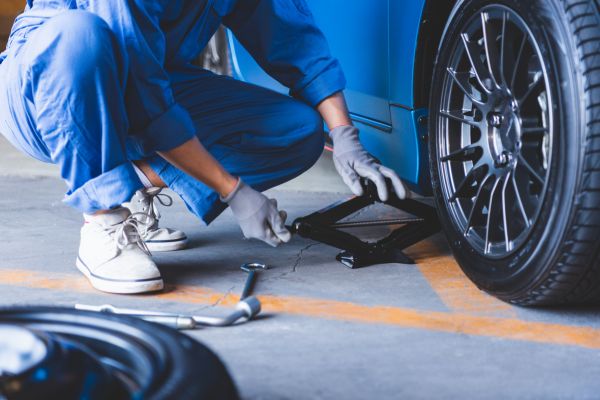
Cedar Hill, Tennessee has a calm, small-town feel, but driving in and around the area still puts real demands on a vehicle. Between daily commutes, rural roads, changing weather, school runs, work trips, and weekend drives toward nearby towns, a car needs to be more than just convenient. It needs to be dependable. That is why understanding the basics of auto repair Cedar Hill TN can help drivers make better decisions before small problems turn into expensive ones.
Good vehicle care is not only about fixing something after it breaks. It is about noticing changes early, keeping up with maintenance, and knowing when a mechanic should take a closer look. For many drivers, the challenge is not always the repair itself. It is knowing what signs matter, what can wait, and what should never be ignored.
Why Regular Auto Repair Matters in a Small-Town Driving Environment
Driving in a place like Cedar Hill can feel easier than navigating a busy city, but vehicles still experience steady wear. Rural and semi-rural roads can have uneven surfaces, gravel patches, potholes, sharp turns, and seasonal debris. Over time, those conditions affect tires, suspension, brakes, steering components, and alignment.
Short local trips can also be harder on a vehicle than many people realize. When a car is driven only a few miles at a time, the engine may not fully warm up. That can contribute to moisture buildup, battery strain, and faster wear on certain parts. On the other hand, longer highway drives place different stress on the engine, transmission, cooling system, and tires.
This is why regular auto repair and maintenance should be seen as part of responsible ownership. It helps protect the vehicle’s performance, safety, and long-term value.
The Warning Signs Drivers Should Not Ignore
Most vehicles give small warnings before a serious breakdown happens. The problem is that many drivers get used to those signs. A sound that started last month becomes “normal.” A slight vibration is ignored. A dashboard light gets pushed to the back of the mind.
Strange noises are often one of the first clues. Squealing brakes may point to worn brake pads. Grinding sounds can suggest a more serious brake issue. Knocking from the engine, clicking while turning, or humming from the wheels should not be dismissed.
Changes in handling also matter. If the vehicle pulls to one side, shakes at certain speeds, feels loose around corners, or takes longer to stop, there may be an issue with alignment, tires, brakes, or suspension. These problems affect comfort, but more importantly, they affect control.
Fluid leaks are another sign worth taking seriously. Oil, coolant, transmission fluid, brake fluid, or power steering fluid leaks can all lead to bigger problems if left unchecked. Even a small spot under the vehicle can be an early warning.
Brakes Are More Than a Maintenance Item
Brakes are one of the most important safety systems in any vehicle. Still, many drivers wait until the warning signs become obvious before scheduling service. By that time, the repair may be more expensive than it needed to be.
Brake pads naturally wear down with use. When replaced on time, the repair is usually straightforward. But if worn pads are ignored, they can damage rotors and other brake components. That can turn a routine job into a more involved repair.
Cedar Hill drivers who use winding roads, carry heavy loads, or drive through stop-and-go areas may experience brake wear at different rates. The best approach is to pay attention to how the pedal feels, how the vehicle stops, and whether there are any sounds when braking.
A soft brake pedal, vibration while braking, squeaking, grinding, or a burning smell after driving should be checked promptly. Brakes are not an area where guessing is worth the risk.
Engine Maintenance Keeps Small Problems From Growing
The engine is the heart of the vehicle, and it needs clean oil, proper cooling, good airflow, and reliable ignition to run well. Many engine problems start quietly. A rough idle, slow acceleration, reduced fuel economy, or hesitation can all point to an issue that needs attention.
Oil changes are one of the simplest forms of engine protection. Fresh oil helps reduce friction, carry away heat, and keep internal parts cleaner. Waiting too long between oil changes can increase wear and shorten engine life.
Air filters, spark plugs, belts, hoses, and sensors also play important roles. When one part starts to fail, the engine may work harder than it should. That extra strain can lead to poor performance or unexpected breakdowns.
Modern vehicles are controlled by complex computer systems, so a check engine light should not be ignored. Sometimes the cause is minor, but sometimes it points to a problem that can damage the engine or emissions system if left unresolved.
Tires and Alignment Affect Safety Every Day
Tires are the only part of the vehicle that touches the road, which makes them essential for steering, braking, and stability. Even a well-maintained vehicle cannot perform safely if the tires are worn, underinflated, or unevenly balanced.
Tennessee weather can change quickly, and wet roads demand good tire traction. Low tread depth increases stopping distance and raises the risk of slipping. Tire pressure is also important because underinflated tires can reduce fuel economy, wear unevenly, and overheat.
Alignment is another common issue. If a vehicle pulls to one side or the steering wheel sits off-center, the wheels may not be properly aligned. Poor alignment can wear tires faster and make the vehicle harder to control.
Drivers should also watch for vibration at highway speeds. This may be caused by tire balance, wheel damage, suspension wear, or other issues. Getting it checked early can prevent unnecessary tire wear and improve driving comfort.
The Role of Seasonal Maintenance in Tennessee
Cedar Hill drivers experience different vehicle concerns throughout the year. In warmer months, the cooling system and air conditioning become more important. A weak radiator, worn hose, low coolant level, or failing thermostat can lead to overheating, especially during longer drives.
In colder months, batteries often show their age. A battery that worked fine in mild weather may struggle when temperatures drop. Slow starting, dim lights, or repeated jump-starts are signs that the battery or charging system needs attention.
Seasonal inspections can help catch these issues before they become inconvenient. A simple check of fluids, belts, hoses, tires, brakes, battery health, and lights can make the vehicle more reliable through changing conditions.
Why Preventive Care Usually Costs Less Than Emergency Repairs
Many drivers delay auto repair because they want to avoid spending money. That is understandable, especially when a vehicle still seems to be running. But delaying needed repairs often leads to higher costs later.
A small coolant leak can become an overheating problem. Worn brake pads can damage rotors. Low oil can cause engine wear. Bad alignment can ruin tires. A weak battery can leave someone stranded at the worst possible time.
Preventive care does not mean replacing parts unnecessarily. It means checking the vehicle regularly, understanding what needs attention, and handling repairs in a sensible order. This approach helps drivers avoid panic decisions and sudden breakdowns.
Choosing a Practical Approach to Auto Repair
A good auto repair decision starts with clear information. Drivers should be able to describe what they are noticing, when it happens, and how long it has been going on. For example, a noise while turning may point in a different direction than a noise while braking. A vibration at 30 mph may suggest something different than a vibration at 70 mph.
It also helps to keep basic service records. Knowing when the last oil change, brake service, tire replacement, or battery check happened can make diagnosis easier. Vehicles have maintenance schedules for a reason, but real-world driving conditions also matter.
For drivers comparing local service options, convenience should not be the only factor. Experience, honest communication, proper diagnostics, and attention to safety all matter. Near the end of the decision-making process, some drivers may look for a trusted local shop such as Jenkins Car Care when searching for Auto repair Cedar Hill TN and trying to keep their vehicle in dependable condition without turning routine maintenance into a guessing game.
Conclusion
Auto repair is not just about fixing a vehicle after something goes wrong. It is about understanding how daily driving, road conditions, weather, and maintenance habits all work together. For Cedar Hill drivers, paying attention to brakes, tires, fluids, engine performance, and seasonal needs can make a major difference in safety and reliability.
A vehicle does not have to be new to be dependable. It simply needs consistent care, timely repairs, and a driver who listens when something feels different. In the long run, that kind of attention helps prevent larger problems, protects the value of the vehicle, and makes every trip feel a little more secure.