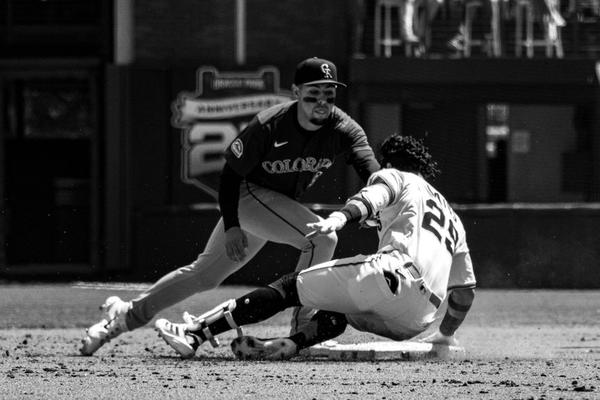
Spring training is baseball’s annual reset button. Before the regular season begins, all 30 MLB clubs gather in Arizona or Florida for several weeks of workouts, exhibition games, roster decisions, and final preparation. For fans, it is also a relaxed way to see Major League players up close as February and March travel planning begins.
The biggest point to understand is that the Grapefruit League and Cactus League are not competitive leagues in the regular-season sense. They are geographic groupings for spring training. The games do not determine division standings or playoff qualification, but the weeks themselves matter for players trying to win jobs, veterans building toward Opening Day, and teams evaluating roster depth.
How MLB Spring Training Works
Spring training usually begins with pitchers and catchers reporting first, followed a few days later by the full squad. Exact report and workout dates change each year, so fans planning a trip should always check the current spring training schedule rather than relying on the previous season’s calendar.
The opening phase centers on workouts. Pitchers build arm strength and pitch counts, hitters face live pitching, defenders take repetitions, and coaches begin evaluating how the roster fits together. Once exhibition games begin, teams gradually increase the workload of established players while giving prospects and non-roster invitees meaningful chances to be seen.
A spring roster is much larger than the regular-season active roster. Along with players already on the club’s 40-man roster, teams invite additional minor leaguers, prospects, veterans on minor-league deals, and other non-roster players to camp. That is why a February box score may contain several names casual fans do not recognize.
Grapefruit League vs Cactus League
The Grapefruit League Is Based in Florida
The Grapefruit League includes the 15 MLB clubs that hold spring training in Florida. Facilities are spread across different parts of the state, so travel distances can vary considerably. If you want to see several clubs, map the schedule before booking hotels because the geography is less compact than Arizona.
The Cactus League Is Based in Arizona
The Cactus League also contains 15 teams, with clubs training in the greater Phoenix area. Its compact geography is one of its biggest attractions. Many ballparks are within relatively short drives, making it easier to watch different teams on consecutive days or visit multiple venues during a short trip.
A traveler whose main goal is variety may find Arizona simpler, while a fan devoted to a Grapefruit League team may prefer staying close to that club’s Florida base. In either case, the baseball serves the same purpose: preparation and evaluation before the regular season.
What Actually Matters in Spring Training Games?
The final score matters far less than it does from Opening Day onward. Spring games are exhibitions, so wins and losses do not carry into the regular-season standings. A team can finish spring with a poor record and still have a successful season, while a player can post eye-catching spring statistics without securing a major role.
What matters is context. Teams watch a pitcher’s velocity, command, pitch shape, and ability to repeat mechanics. Hitters may be working on timing, swing decisions, or a new approach rather than simply chasing results. Coaches also evaluate defense, baserunning, positional flexibility, health, and how players respond in game situations.
For players competing for the final roster spots, performance can be significant. A utility infielder, backup catcher, bench bat, or reliever may be fighting for one of only a few openings. Prospects can also use camp to show they are close to being Major League ready, even if the organization plans to send them back to the minors before Opening Day.
Why Star Players May Not Play a Full Game
Fans attending their first spring game are sometimes surprised when a star leaves after only a few innings. That is normal. Established players often receive limited plate appearances or defensive innings early in camp, then gradually build toward a regular workload. Starting pitchers typically increase their pitch counts over several outings.
Split-squad days can make lineups even less predictable. A team may play two games on the same day, dividing players between two groups. If seeing a particular star is the priority, check the club’s expected lineup as close to game time as possible rather than assuming every well-known player will appear.
How to Read the Spring Training Schedule as a Fan
A practical way to plan is to choose your must-see team first, then identify nearby games around it. For example, a three-day Arizona trip could be built around one home game for your favorite club and two nearby Cactus League matchups featuring different teams. In Florida, it can be smarter to cluster games in one region instead of crossing the state repeatedly.
Pay attention to start times, ballpark location, split-squad listings, and whether the game is at your team’s home spring facility or on the road.
An MLB regular season schedule guide can help show how spring fits into Opening Day and the 162-game season. An MLB roster rules guide is also useful for understanding why some camp players are competing for jobs while others can be optioned or reassigned.
What Happens at the End of Camp?
As Opening Day approaches, clubs reduce their camp rosters. Some players are optioned or reassigned to the minor leagues, some non-roster invitees are told they have not made the team, and a smaller group earns spots on the Opening Day roster. Teams also settle pitching rotations, bullpen roles, bench jobs, and defensive alignments.
The last few spring games often look more like regular-season baseball because starters play deeper into games and pitchers work closer to normal workloads. Even then, clubs remain focused on readiness rather than chasing exhibition wins.
Frequently Asked Questions
Do spring training games count in MLB standings?
No. Grapefruit League and Cactus League results are exhibition results and do not count toward regular-season standings or playoff qualification.
Why are there two spring training leagues?
They are geographic groupings. Teams train in either Florida’s Grapefruit League or Arizona’s Cactus League, allowing clubs to play nearby opponents while preparing for the season.
Do all MLB players attend spring training?
Major League roster players report to camp, while clubs also bring many prospects and non-roster invitees. Participation and playing time can vary because veterans, recovering players, and players with other commitments may follow different preparation schedules.
When should I check the spring training schedule?
Check it before booking travel and again shortly before each game. Dates and venues are published in advance, but lineups, pitching plans, and player availability can change throughout camp.
Spring Training Sets the Stage for Opening Day
Spring training is best understood as preparation with real consequences but unofficial results. The standings do not matter, yet roster battles, health, player development, and workload decisions can shape the team that begins the season. For fans, knowing the difference between the Grapefruit League and Cactus League makes it easier to follow the schedule and plan a trip that matches what you actually want to see.