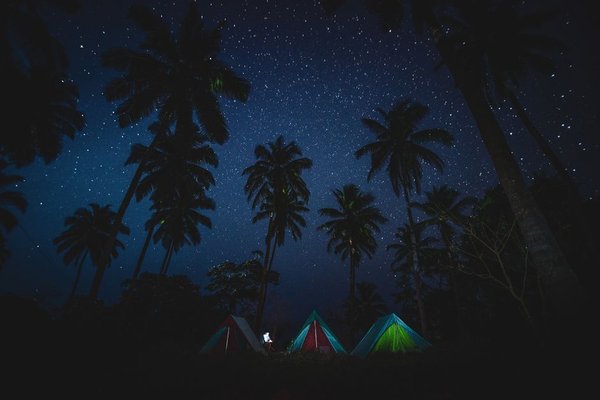
Hotel rooms are convenient, but they can swallow a travel budget before the trip has begun. Camping offers a different kind of accommodation: instead of paying for a furnished room, you bring much of what you need to an outdoor pitch. The trade-off can make a big difference, especially on longer trips.
Still, camping as a cheap alternative to hotels is not automatically a bargain. A low campsite rate can be offset by equipment, transport and food costs. The smartest comparison considers the full trip, not just the booking-page price.
Why a campsite can cost less than a hotel
A hotel price covers a building, furnishings, heating or cooling, cleaning and staff. A basic tent pitch may offer only ground space, toilets and shared water facilities. Fewer built-in services often mean lower rates, although popular destinations and peak dates can push prices higher.
Some campgrounds have showers, electrical hookups or laundry facilities. Others offer little beyond a designated pitch. Compare amenities before booking: the cheapest listing may require extra driving to reach drinking water, food or a shower.
Camping vs hotels: compare the entire bill
Imagine two travellers planning three nights away. Their hypothetical hotel costs $130 per night, or $390 before taxes. A campsite at $30 per night totals $90 before other charges. On paper, camping saves $300. But buying $150 of basic equipment reduces that first-trip saving to $150, even before additional expenses.
These are illustrative figures, not typical prices everywhere. Make your own side-by-side budget using real quotes for the same dates. Check reservation fees, park admission, vehicle charges, taxes, shower tokens, firewood and extra-person fees. Recreation.gov notes that US public-land campsite fees vary by location and reservation fees may apply separately.
Location matters too. A campground far outside town might cancel out some savings if you drive in for meals twice daily. Check the distance to your planned activities when comparing budget accommodation options.
Start with less gear, not more
New campers sometimes shop as though they are outfitting a month-long expedition. For a short trip to a developed campground, focus on a weather-appropriate tent, sleeping pads, suitable bedding, a headlamp and basic food supplies. You do not need an elaborate outdoor kitchen.
Borrowing a tent and sleeping pads makes a first outing cheaper. Renting can work too, if the rental is less than the hotel saving. Pitch the tent at home before leaving, check for missing parts and make sure everyone has a comfortable place to sleep.
A sleeping pad matters more than many beginners expect: cold, hard ground can ruin a night even inside a decent sleeping bag. Check forecast nighttime temperatures and elevation, then pack layers accordingly. A packing checklist for budget travel can help prevent unnecessary purchases.
Choose the right type of camping
Developed campgrounds
These are usually easiest for beginners. Designated pitches, toilets and drinking water remove some uncertainty. Read rules about quiet hours, check-in times, pets, vehicle access and tent sizes. Paying slightly more for reliable facilities can be a sensible choice.
Basic or dispersed camping
Some public lands permit camping outside developed sites, sometimes without nightly charges. But free does not mean unrestricted. Permits, stay limits, fire restrictions and waste rules differ by location. Confirm that your exact intended spot is legal before setting up.
Glamping and equipped tents
Pre-pitched tents and glamping pods eliminate much of the equipment problem, but their prices can rival hotels. They offer a useful outdoor experience without gear purchases, not necessarily the cheapest accommodation.
How to keep budget camping trips affordable
Travel outside school holidays and major event weekends when possible. Look beyond famous national parks to regional and smaller campgrounds. Popular sites can book out, and cancellation rules may make last-minute changes expensive.
Plan meals that need little equipment: oats, sandwiches, fruit and simple one-pot dinners. Bring adequate drinking water and safe food storage. Do not rely on a campfire for cooking; restrictions and weather can prohibit open flames, even at established campsites.
Choose a campsite near your activities. Walking directly to trails or a lake may be more valuable than a slightly cheaper pitch requiring daily drives. For multi-stop journeys, compare fuel and campsite costs with other cheap places to stay on a road trip.
Reuse equipment across trips and share appropriate costs with companions, within campsite occupancy limits. Camping becomes more economical when you already own the gear, whereas expensive purchases for one weekend can erase the savings.
Comfort and safety still matter
A tent is not a climate-controlled room. Rain, wind, noise, insects and cold weather can affect sleep. Check official forecasts, hazard alerts and campsite closure notices shortly before departure. Keep an alternative plan for severe weather or unsafe temperatures.
Food storage deserves care. The US National Park Service advises following local wildlife rules, securing food and scented items, and never storing food inside a tent in bear country. Specific storage requirements differ by park, so follow the campground’s instructions.
Use designated pitches where required, pack out rubbish and dispose of waste responsibly. For a first trip, toilets, potable water and an accessible exit are worth prioritising over the lowest possible price.
When a hotel is better value
Camping might not save much if you are flying with bulky baggage, renting expensive equipment or stopping for only one night. Hotels can be better for severe weather, mobility needs, late arrivals, reliable internet or anyone who needs a private bathroom.
Think about how you want to spend your holiday. If cooking outside and setting up camp are enjoyable, cheap outdoor lodging adds an experience that a hotel cannot match. If those tasks feel exhausting, a room may be worth the premium.
Frequently asked questions
Is camping always cheaper than a hotel?
No. Campsites often have lower nightly rates, but equipment, reservation charges, transport and seasonal prices change the calculation. Compare the total cost of each stay.
Can I camp for free?
Some locations permit no-fee camping, including certain public lands. Always confirm permission, permits, stay limits and access rules with the land manager.
What is the cheapest way to try camping?
Borrow essential gear, select a nearby developed campground, stay one or two nights and pack simple food. A short trial shows what you actually need.
Is camping a good budget option for families?
It can be when one pitch accommodates everyone under the site’s rules. Prioritise suitable sleeping gear, safe water, toilets and a manageable journey.
Conclusion
Camping can make accommodation one of the more manageable parts of a trip. The greatest savings come from modest gear, a well-located legal campsite and an honest accounting of every cost. Start with a short, comfortable outing; if you enjoy it, the same equipment can make later trips even better value.