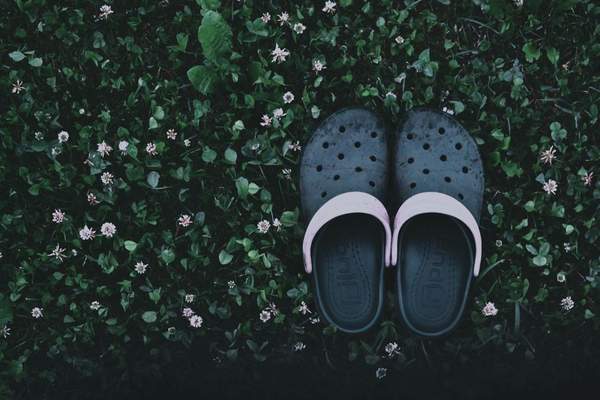
Garden clogs were once the shoes left by the back door, ready for watering pots or crossing a wet lawn. Now that practical, slightly awkward silhouette is moving into everyday wardrobes. The garden clogs fashion trend is less about pretending you have spent the morning pruning roses and more about a wider shift towards useful, unfussy clothes that still feel considered.
Across UK street style, the appeal is easy to understand. Clogs are quick to put on, comfortable for short journeys and relaxed enough to soften an outfit that might otherwise look overly polished. Their shape also fits the popularity of “ugly-chic” footwear, from chunky trainers to fisherman sandals and boston clogs. They now work naturally with denim, tailoring and slow living style.
Why Garden Clogs Suddenly Feel Fashionable
The clog shoes trend has been building for several seasons, but the latest version feels more grounded than the high platform styles associated with 1970s dressing. Fashion is interested in shoes that look sturdy, familiar and a little ordinary. That makes moulded rubber clogs, cork-footbed mules and simple backless slip-ons feel more relevant than delicate footwear.
British weather helps. A closed toe offers more protection than a sandal when pavements are damp, while a backless shape feels lighter than a boot. You can wear clogs with socks on a cool morning, then go without when the day warms up. That usefulness gives the trend staying power.
Gardening, allotments and slower domestic routines have also shaped a broader visual language. Garden clogs fit that world without requiring a rustic costume; the strongest outfits borrow the mood rather than copying it.
Garden Clogs Versus Fashion Clogs
Traditional garden clogs are often made from waterproof rubber or lightweight foam, with a rounded closed toe and an easy-clean surface. Fashion clogs may use suede, leather, felt, wood or cork and often have a more structured footbed. Boston clogs sit between the two: they have the practical slip-on shape, but their buckle, materials and contoured sole make them look deliberate.
For everyday styling, finish matters more than the label. Matte rubber in olive, black, chocolate, navy or cream is easier to integrate than glossy neon. Suede feels softer, leather looks smarter, and a substantial sole works well with straight or wide-leg trousers.
Comfort should come before trend appeal. Check that the clog does not slip excessively at the heel, pinch across the top of the foot or force your toes to grip. Some true gardening styles are designed for quick outdoor tasks rather than long city walks. A supportive footbed and reliable tread matter if you plan to wear them beyond the patio.
How to Wear Garden Clogs Without Looking Costume-y
Start with jeans and a clean top
The easiest entry point is straight-leg jeans, a white shirt or simple knit and clogs in a muted colour. Let the trouser hem sit just above the shoe or lightly graze it. This keeps the rounded shape visible without making it the entire focus. Add a structured bag or neat jacket if the look feels too casual.
For a Saturday trip to a café and garden centre, try dark indigo jeans, a striped cotton jumper, olive clogs and a lightweight trench. The shoes make sense for wet paths, while the darker denim and classic outerwear keep the outfit firmly in everyday street style.
Use tailoring as a counterbalance
Clogs become more interesting beside something sharper. Pleated trousers, an oversized blazer or a long tailored coat contrast with the humble shoe. Choose a slim sock in a similar colour to the clog so the transition looks intentional. It also works in creative workplaces where trainers are accepted.
Keep dresses simple
With dresses, avoid stacking too many countryside references. A plain cotton midi, minimal shirt dress or column-shaped knit dress works better than combining florals, a basket bag and a headscarf with garden clogs. One rustic note feels modern; several can turn the outfit into a theme.
Use texture for a slow living look
Linen trousers, brushed cotton, washed denim, wool socks and canvas bags all sit comfortably with clogs. Keep the palette earthy but clear: ecru, rust, forest green, charcoal and faded blue are easy to mix. A crisp element, such as a poplin shirt or polished watch, stops the look feeling overly homespun.
Common Styling Mistakes
The main risk is treating garden clogs as novelty footwear. Very bright colours, decorative charms and exaggerated rural accessories can make the outfit feel like fancy dress. When the shoes are playful, keep the clothes restrained. When the outfit is colourful, choose a neutral clog.
Do not assume every waterproof clog suits every surface. Smooth soles can be slippery in rain, and open-back designs provide less security on stairs or uneven ground. Test the fit indoors and reserve lightweight gardening pairs for shorter outings when they lack support.
Are Garden Clogs Worth Buying?
They are worth considering when they suit your real routine. Someone moving between home, school runs, local shops and outdoor spaces may get plenty of use from an easy-clean pair. They can also be a practical alternative to sandals during unpredictable UK summers.
Before buying new, check whether you already own a simple pair that can be styled differently. Cleaning them thoroughly and pairing them with better-cut denim may be enough to make them feel current. That reuse-first approach suits the trend’s practical spirit.
Natural topics to explore next include practical shoes for rainy days, how to style wide-leg jeans and building a slow living wardrobe. These ideas place clogs within a broader, wearable style.
Frequently Asked Questions
Are garden clogs really fashionable in the UK?
Yes, as part of the wider return of clogs, comfort-led footwear and utilitarian dressing. The easiest versions to wear are neutral, clean-lined and paired with familiar pieces such as jeans, knitwear, trench coats and relaxed tailoring.
Can I wear actual gardening clogs outside the garden?
You can, provided they are clean, comfortable and have enough grip for the journey. Some are intended only for short outdoor tasks, so check the sole and support before wearing them for long walks.
What socks look best with clogs?
Ribbed cotton, fine wool or simple crew socks in cream, grey, navy or brown usually work well. Avoid bulky socks unless the clog has enough room to remain comfortable.
Are boston clogs the same as garden clogs?
No. Boston clogs are generally more structured lifestyle shoes, often made with suede or leather and a contoured footbed. Garden clogs are usually waterproof and designed for easy cleaning, although both share a backless, closed-toe shape.
A Practical Trend with Staying Power
Garden clogs work because they do not try too hard. They are useful, recognisable and slightly unconventional, which makes them an effective way to loosen up everyday clothes. Styled with clean denim, relaxed tailoring or a simple dress, they look less like potting-shed equipment and more like a natural extension of modern British casualwear.
Keep the rest of the outfit grounded, choose a colour already present in your wardrobe and be honest about comfort. Done well, the garden clogs fashion trend is not costume-y at all. It is simply practical footwear finding a new place beyond the back door.