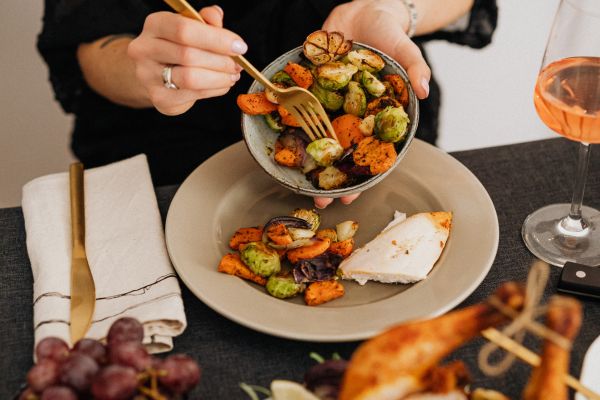
Eating with the seasons has a quiet kind of wisdom to it. It is not a new trend, even though it often appears in modern wellness conversations. Long before supermarkets offered strawberries in winter and pumpkins in spring, people naturally cooked with what the land gave them at that time of year. Their meals shifted with the weather, the harvest, and the needs of the body.
A thoughtful Seasonal Eating Guide is not about strict rules or making food complicated. It is about paying attention. It is about noticing when tomatoes taste sun-warmed and sweet, when root vegetables feel comforting, when leafy greens return after a cold spell, and when summer fruits almost need no recipe at all. Seasonal eating invites us to slow down a little and choose food that feels connected to time, place, and real flavor.
What Seasonal Eating Really Means
Seasonal eating simply means choosing fruits, vegetables, herbs, and other foods when they are naturally at their peak. A peach in summer is not just available; it is usually juicier, softer, and more fragrant. A squash in autumn feels right because it grows well in that season and suits the kind of meals people crave as the weather cools.
This does not mean every meal must be completely seasonal or locally sourced. Most people still rely on pantry staples, frozen foods, imported ingredients, and everyday conveniences. Real life is busy. The goal is not perfection. The goal is awareness.
When you eat seasonally, you start building meals around what is fresh and abundant. Instead of asking, “What should I cook tonight?” you might begin with, “What looks good right now?” That small shift can make cooking feel easier and more enjoyable.
Why Seasonal Food Often Tastes Better
Taste is one of the biggest reasons people return to seasonal eating. Produce harvested at the right time usually has better texture, color, and flavor. Fruits picked before ripening and transported long distances may look fine on a shelf, but they often miss that natural sweetness or depth.
Think about a tomato. A winter tomato can be pale, firm, and watery. A summer tomato, especially one grown close to home, can be rich, juicy, and full of character. You do not need much to enjoy it. A little salt, olive oil, and bread may be enough.
Seasonal food often needs less effort in the kitchen. Fresh peas, ripe berries, crisp cucumbers, tender greens, and fragrant herbs can carry a dish without heavy sauces or complicated techniques. When ingredients are at their best, cooking becomes more about highlighting them than fixing them.
A More Natural Way to Support the Body
Seasonal eating also feels good because it often matches what the body wants throughout the year. In warmer months, lighter foods such as salads, melons, cucumbers, berries, and fresh herbs can feel refreshing. In colder months, roasted vegetables, soups, stews, grains, and warming spices offer comfort and substance.
Spring often brings tender greens and fresh herbs that feel bright after heavier winter meals. Summer offers hydrating produce and fruits full of natural sweetness. Autumn brings earthy flavors, nuts, apples, pears, pumpkins, and root vegetables. Winter leans toward foods that store well, such as potatoes, carrots, onions, cabbage, citrus, and hearty greens.
This rhythm is not accidental. Seasonal foods often reflect the climate around them. They help create variety without forcing you to redesign your whole diet.
The Sustainability Side of Seasonal Eating
Seasonal eating can also support more sustainable choices. When food is grown in its natural season, it may require fewer artificial growing conditions, less energy-intensive storage, and less long-distance transportation. Of course, sustainability depends on many factors, including farming practices, location, packaging, and supply chains. Still, choosing seasonal produce when possible is a simple step toward more mindful eating.
Local seasonal food can be especially meaningful. Farmers’ markets, community-supported agriculture boxes, roadside stalls, and small grocery suppliers often show what is truly in season nearby. Buying from these sources can support regional growers and reduce the distance food travels before reaching your kitchen.
There is also less waste when seasonal produce tastes good. People are more likely to finish fresh, flavorful food than bland produce bought out of habit. A basket of ripe strawberries rarely sits forgotten in the fridge for long.
Spring Foods That Bring Freshness Back
Spring food has a feeling of renewal. After months of heavier meals, fresh greens and tender vegetables start to feel exciting again. Asparagus, peas, spinach, lettuce, spring onions, radishes, artichokes, mint, parsley, and strawberries often belong to this part of the year, depending on the region.
Spring meals are usually best when kept simple. A bowl of pasta with peas and herbs, an omelet with spinach and spring onions, a salad with radishes and soft greens, or roasted asparagus with lemon can feel lively without being fussy.
This is also a good season to bring freshness back into everyday cooking. Add herbs generously. Use lemon juice to brighten dishes. Swap heavy sides for crisp vegetables. Let meals feel lighter, but still satisfying.
Summer Foods Full of Color and Ease
Summer is the season that makes eating fresh feel almost effortless. Tomatoes, cucumbers, zucchini, peppers, eggplant, sweet corn, peaches, cherries, berries, melons, basil, and stone fruits often shine during this time.
The best summer meals usually have a relaxed quality. A tomato salad, grilled vegetables, corn on the cob, chilled fruit, yogurt with berries, or simple rice bowls with fresh herbs can all feel complete. Heat changes how people cook too. No one wants to stand over the stove for hours when the kitchen is already warm.
Summer is also a good time to enjoy food raw or lightly cooked. Fresh produce often has enough flavor on its own. A ripe peach eaten over the sink, juice running down your hand, may be one of the most honest examples of seasonal eating.
Autumn Foods That Feel Grounded
Autumn brings a deeper, earthier mood to the table. Apples, pears, pumpkins, squash, sweet potatoes, carrots, beets, mushrooms, onions, leeks, kale, Brussels sprouts, walnuts, and warming spices begin to feel right again.
This is the season of roasting, baking, simmering, and slow flavor. Vegetables become sweeter in the oven. Soups return to the weekly routine. Grain bowls feel more satisfying. Apples and pears move from snacks into desserts, breakfasts, and savory dishes.
Autumn eating has a comforting rhythm. It is still colorful, but less bright than summer. The flavors are rounder and warmer. A tray of roasted squash with herbs, a pot of lentil soup, or baked apples with cinnamon can make the change in weather feel welcome instead of sudden.
Winter Foods That Offer Comfort and Strength
Winter seasonal eating is sometimes misunderstood because it may seem less exciting than summer. But winter has its own quiet richness. Citrus fruits, potatoes, onions, carrots, parsnips, turnips, cabbage, cauliflower, broccoli, leeks, winter squash, and hardy greens can become the base of deeply satisfying meals.
Winter cooking often depends on patience. Soups, stews, casseroles, roasted vegetables, and slow-cooked beans make practical sense during colder months. They are warming, filling, and often affordable.
Citrus is one of winter’s great gifts. Oranges, lemons, grapefruits, and mandarins bring brightness when the rest of the season feels muted. A squeeze of lemon over roasted vegetables or a fresh orange after dinner can lift a meal instantly.
How to Start Eating Seasonally Without Stress
The easiest way to begin is by changing one part of your shopping routine. Look at what is abundant, fresh, and reasonably priced. Seasonal produce is often more affordable because supply is higher. If a certain fruit or vegetable suddenly appears everywhere, that is usually a sign it is in season.
You can also keep a simple seasonal produce list for your region. Since growing seasons differ by country and climate, local knowledge matters. What is seasonal in one place may not be seasonal somewhere else.
Another practical habit is to build meals around one seasonal ingredient. If zucchini is fresh, make it the center of a pasta, stir-fry, soup, or grilled side. If apples are everywhere, use them in breakfast, salads, and baked dishes. This approach keeps seasonal eating flexible and realistic.
Frozen produce can also have a place. Many fruits and vegetables are frozen close to harvest, so they can still be flavorful and useful outside their season. Seasonal eating does not have to reject convenience. It simply encourages better choices when fresh options are available.
Cooking With the Season, Not Against It
A seasonal kitchen does not need to be fancy. In fact, it often becomes simpler. You begin to repeat certain meals at certain times of year, and that repetition can feel comforting. Summer may mean tomato sandwiches and fruit salads. Autumn may mean roasted vegetables and soups. Winter may mean stews and citrus. Spring may mean greens, herbs, and lighter meals.
This rhythm can make food feel more memorable. Certain tastes become linked with certain months. The first strawberries of the year feel special because they have not been available in their best form all year long. The first bowl of pumpkin soup feels comforting because it belongs to a particular season.
When everything is available all the time, food can lose some of its excitement. Seasonal eating brings that excitement back.
A More Connected Way to Eat
A good Seasonal Eating Guide is less about restriction and more about connection. It connects food to weather, farming, flavor, and daily life. It reminds us that meals do not have to be complicated to be meaningful. Sometimes the best choice is simply the freshest one in front of us.
Eating seasonally can improve taste, encourage variety, support more thoughtful shopping, and make cooking feel more natural. It can also help us appreciate food before it reaches the plate. Someone grew it, harvested it, transported it, displayed it, and eventually it became part of a meal.
That awareness matters. It turns eating from a routine task into something a little more grounded.
Conclusion
Seasonal eating is not about chasing perfection or giving up the foods you enjoy. It is about learning to notice what each season offers and allowing those ingredients to guide your meals. Fresh spring greens, juicy summer fruits, earthy autumn vegetables, and hearty winter staples all bring their own kind of pleasure.
When you eat with the seasons, food often tastes better, cooking becomes simpler, and your choices feel more connected to the world around you. A seasonal approach does not need to be strict to be valuable. Even small changes, like choosing ripe local produce or planning meals around what is naturally fresh, can make everyday eating feel more thoughtful, sustainable, and satisfying.