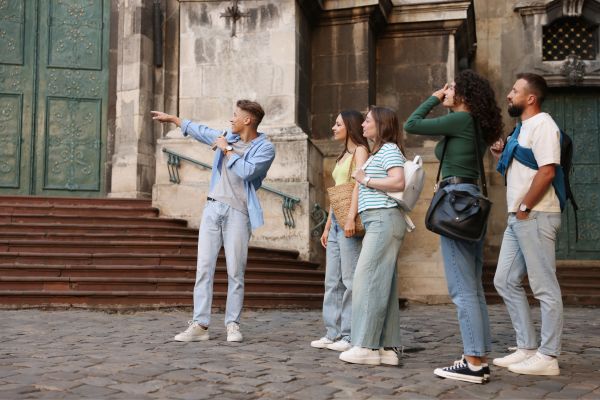
Cities have a way of revealing the world in concentrated form. Streets hold history, neighborhoods reflect identity, food tells stories, and public spaces show how people truly live. A single city can contain centuries of architecture, layers of migration, changing traditions, and entirely different moods from one district to the next. That complexity is exactly what makes urban travel so rewarding.
Yet cities can also overwhelm first-time visitors. There are too many landmarks, too many restaurant lists, too many transit options, and never enough time. It is easy to spend a short trip rushing from one famous stop to another without ever understanding the place itself.
That is where thoughtful City Guides become valuable. A good guide does more than list attractions. It helps travelers move through a city with confidence, curiosity, and a better sense of what matters.
Why City Travel Feels Different
Traveling in cities is unlike visiting resorts or rural destinations. Urban places ask more of the visitor. They move faster, offer more choices, and often reward attention to detail.
A traveler may begin the morning in a museum, eat lunch in a market shaped by immigrant traditions, walk through a historic quarter in the afternoon, and end the night listening to live music in a modern district. Cities compress variety into walkable or rideable distances.
That richness can feel exhilarating.
It can also feel chaotic without a plan.
Strong City Guides help turn chaos into possibility.
What Makes a Great City Guide
Not all guides are equally useful. Some simply repeat the same famous landmarks everyone already knows. Others drown readers in endless lists with no context.
A truly helpful city guide usually balances practical advice with cultural insight. It explains where to stay, how to get around, what neighborhoods feel like, when to visit major sites, and where everyday life happens beyond tourist zones.
It should also help readers understand rhythm. Which areas wake early? Which neighborhoods come alive at night? Where do locals linger? What places deserve time rather than a quick photo?
Good guides create better questions, not just quicker itineraries.
Understanding Neighborhood Personalities
One of the smartest ways to approach a city is by neighborhood rather than attraction.
Large cities often contain many identities within one map. Historic centers may be formal and crowded. Waterfront districts can feel open and modern. Residential neighborhoods may reveal the city’s quieter character. Creative areas often hold cafés, galleries, bookstores, and nightlife.
Travelers who only visit landmarks sometimes miss where daily life actually happens.
The best City Guides explain personality, not just geography.
Knowing where to wander matters as much as knowing where to queue.
How to Use Time Wisely in Cities
Urban travel often tempts people into over-scheduling. Three museums, five landmarks, two markets, dinner reservations, and a rooftop bar may look efficient on paper. In practice, it can feel exhausting.
Cities reward pacing.
Choose one major cultural site, one neighborhood walk, one memorable meal, and room for spontaneous discovery. Leave time for coffee breaks, wrong turns, people-watching, and parks.
Some of the best travel memories happen between planned moments.
Thoughtful city guides help travelers avoid treating places like checklists.
Transportation Can Shape the Entire Trip
Every city moves differently.
Some are built for walking. Others rely on metros, trams, buses, ferries, bicycles, or taxis. Some reward using all of them depending on time of day.
Learning local transport early can transform a trip. It saves money, reduces stress, and opens areas tourists often skip. Even understanding rush-hour patterns or airport transfer options can change first impressions dramatically.
Practical City Guides should always include mobility advice because movement determines how much of a city becomes accessible.
Food as a Way to Understand Place
Cities are often best understood through what people eat and how they eat it.
Street stalls, bakeries, late-night counters, neighborhood cafés, produce markets, and family-run restaurants can reveal more about culture than polished attractions ever will. Meals reflect migration, climate, trade history, and social habits.
In some cities breakfast matters deeply. In others dinner stretches late into the night. Some places gather around markets; others around tea houses or coffee culture.
Good guides treat food as culture, not just consumption.
Famous Sights Still Matter
There is sometimes pressure to avoid tourist attractions in favor of hidden gems. But iconic places become iconic for reasons.
Historic squares, cathedrals, skyline viewpoints, museums, monuments, or waterfronts often carry genuine significance. Seeing them can be meaningful.
The trick is context and timing. Visit early, late, or with realistic expectations. Pair major sights with nearby neighborhoods so the day feels balanced.
Strong City Guides do not reject famous places. They help travelers experience them intelligently.
Hidden Value in Ordinary Places
Some of the most memorable urban moments happen somewhere that never appears on postcards.
A bookstore with creaking floors. A park bench during sunset. A quiet bakery at 7 a.m. Children playing football in a side street. Laundry hanging between old buildings. Rain beginning in a tram stop shelter.
Cities are made of ordinary scenes repeated daily.
Travelers who notice these moments often return home feeling they truly visited, not merely observed.
Choosing the Right City for Your Style
Not every city suits every traveler in the same season of life.
Some people crave nightlife, movement, and energy. Others want architecture, museums, and reflective walks. Some travel for food. Others for shopping, language practice, or history.
A lively megacity may thrill one person and drain another. A slower elegant city may feel perfect to some and too quiet for others.
The most useful City Guides help match destination personality with traveler personality.
That fit matters more than popularity rankings.
How to Avoid Common City Travel Mistakes
Many urban frustrations come from predictable habits: overbooking days, staying too far from transit, eating only near landmarks, ignoring neighborhood research, and underestimating travel time across large cities.
Another common mistake is trying to “see everything.” No one ever does.
Better to experience a few areas deeply than ten places vaguely remembered later.
Good travel often comes from choosing less and noticing more.
Why Cities Keep Calling People Back
Unlike some destinations, cities change constantly. Restaurants open and close. Art scenes move. Neighborhoods evolve. Seasons transform parks and streets. Even returning to the same city years later can feel like meeting an old friend who has grown in unexpected ways.
That sense of motion keeps cities endlessly revisitable.
You never finish them.
Conclusion
The best City Guides do more than tell you where to go. They help you understand how a place breathes, moves, eats, remembers, and changes. They turn maps into stories and crowded streets into meaningful experiences. Whether you travel for history, food, architecture, culture, or simple curiosity, a well-used guide can deepen the journey.
Cities ask for attention, but they reward it generously. Walk slowly, stay curious, and allow room for surprise. In the end, the most unforgettable parts of a city are often the ones no guide could fully predict.