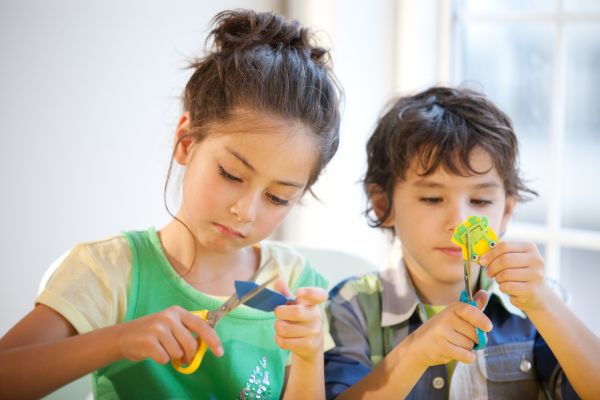
There is something wonderfully honest about a child sitting at a table with paper scraps, glue, crayons, and a very serious expression. To adults, it may look like a small mess. To a child, it is a castle, a robot, a rainbow fish, or a birthday card for someone they love. That is the charm of easy crafts for kids. They do not need expensive supplies or complicated instructions. Most of the time, the best projects begin with things already lying around the house.
Crafting gives children a chance to explore color, texture, shape, and imagination without worrying too much about the final result. The paper may fold the wrong way. The eyes on the puppet may not match. The paint might wander far beyond the lines. And honestly, that is part of the fun. Simple craft time is not about perfection. It is about letting kids make something with their hands and feel proud of it.
Why Simple Crafts Matter for Growing Minds
Easy crafts for kids do more than fill a rainy afternoon. They help children develop patience, focus, and confidence in a way that feels like play. Cutting paper, rolling clay, threading beads, or sticking cotton balls onto cardboard all build fine motor skills. These tiny hand movements matter later when children learn to write, tie shoelaces, button shirts, and handle everyday tasks more independently.
Crafting also teaches decision-making. A child has to choose whether the sky should be blue, purple, or bright orange. They decide where to place the stickers, how big to make the wings, or whether their paper monster needs three eyes instead of two. These little creative choices give children a sense of control. They are not just following instructions; they are shaping an idea.
There is also a quieter emotional benefit. Crafting can calm children, especially when the activity is relaxed and unhurried. The repeated motion of coloring, folding, gluing, or painting can feel soothing. For many kids, craft time becomes a safe space where they can slow down and express feelings they may not yet have words for.
Paper Crafts That Never Get Old
Paper is probably the most forgiving craft material in the house. It can become almost anything, and when a project goes wrong, you simply grab another sheet. That makes paper crafts perfect for younger children who are still learning how to handle supplies.
Paper plate animals are always a favorite. A plain plate can turn into a lion with strips of yellow and orange paper around the edge, a fish with shiny foil scales, or an owl with big circle eyes. Children can paint the base first, then add ears, wings, whiskers, or tails from construction paper. The results are often funny and full of personality.
Folded paper fans are another easy project that feels almost magical to kids. They can decorate a sheet of paper with crayons, markers, or stamps, then fold it back and forth like an accordion. Once the bottom is pinched and secured with tape or a craft stick, the fan opens up into a colorful shape. It is simple, but it teaches rhythm, pattern, and careful hand movement.
Homemade greeting cards are especially meaningful because they connect creativity with kindness. Children can make cards for birthdays, holidays, grandparents, teachers, or friends who need cheering up. A card made with uneven hearts, scribbled flowers, and a sweet little message often becomes something families keep for years.
Recycled Crafts with Everyday Materials
Some of the most imaginative easy crafts for kids come from items that would normally end up in the bin. Empty cereal boxes, cardboard tubes, egg cartons, bottle caps, and clean jars can all become craft treasures. Children naturally love turning “old stuff” into something new, and it gently introduces the idea of reusing materials.
Cardboard tubes are especially versatile. They can become binoculars for backyard exploring, rockets for pretend space travel, or tiny animals with paper ears and yarn tails. Kids can paint them, wrap them in colored paper, or cover them with stickers. A few simple details can completely change the character of the project.
Egg cartons are another craft-table classic. Cut into sections, they make great caterpillars, flowers, turtles, or little treasure cups. Children can paint each cup a different color and add pipe cleaners, googly eyes, or paper leaves. The bumpy shape gives the craft texture, which makes it more interesting than a flat sheet of paper.
Cereal boxes can be transformed into puppet theaters, dollhouse rooms, city buildings, or mini parking garages. Older children may enjoy drawing windows, doors, signs, and tiny decorations. Younger kids can simply paint the box and let their imagination do the rest.
Nature Crafts for Curious Kids
Nature crafts have a different kind of magic because they begin outside. A short walk can turn into a search for leaves, smooth stones, twigs, pinecones, flowers, and seed pods. Children notice details they might otherwise miss: the veins in a leaf, the shape of a pebble, the rough edges of bark.
Leaf rubbing is one of the easiest nature crafts. Place a leaf under a piece of paper, rub over it with the side of a crayon, and watch the pattern appear. Kids are often amazed by this simple reveal. They can layer different leaves, use autumn colors, or turn the rubbings into trees, animals, or abstract patterns.
Painted rocks are another satisfying project. Smooth stones can become ladybugs, houses, planets, silly faces, or tiny garden markers. Acrylic paint works well for older kids, while washable paint is better for younger ones. The finished rocks can sit on a windowsill, hide in a plant pot, or become part of pretend play.
Twig picture frames are lovely for children who enjoy collecting. A simple cardboard frame can be covered with small twigs, leaves, or dried flowers. It may look rustic and uneven, but that is exactly what gives it charm. Add a drawing or photo inside, and it becomes a keepsake.
Messy Crafts That Are Worth the Cleanup
Not every craft has to be tidy. In fact, some of the most memorable ones involve paint on fingers, glitter on the table, and a little water where it probably should not be. Messy crafts invite children to explore freely. The trick is to prepare the space first, then relax.
Finger painting is a classic for a reason. It lets young children experience color directly through touch. They can swirl, tap, drag, and mix paint without needing to control a brush. For a less chaotic version, place paper and small blobs of paint inside a zip-top bag, seal it well, and let kids press the colors around from the outside.
Sponge painting is another fun option. Cut clean sponges into simple shapes or let kids stamp with the sponge as it is. The texture creates soft, playful marks. Children can make clouds, flowers, ocean waves, or just colorful patterns. It is easy, expressive, and usually less messy than full hand painting.
Collage-making can be messy in a quieter way. Give children old magazines, paper scraps, fabric pieces, ribbon, buttons, or tissue paper, and let them create a picture by arranging and gluing pieces down. This kind of craft is great for open-ended creativity because there is no single right answer.
Crafts That Encourage Storytelling
A good craft often becomes the beginning of a story. A paper puppet needs a name. A cardboard castle needs a dragon. A painted rock might become a magical egg. When children create characters and settings, they naturally move into storytelling, which supports language and imagination.
Paper bag puppets are perfect for this. A small lunch bag can become a dog, princess, alien, dinosaur, or superhero. Once the glue dries, children can use the puppet to act out scenes. Some kids will invent long, dramatic stories. Others may just make funny voices. Both are valuable.
Stick puppets are even simpler. Children can draw characters on paper, cut them out, and attach them to craft sticks. They can make a whole family, a group of animals, or characters from a favorite story. A sofa, table edge, or cardboard box can become the stage.
Making masks also invites pretend play. A paper plate or cardstock shape can become a tiger, butterfly, robot, or bird. Add string or a craft stick handle, and suddenly the child is not just holding art. They are stepping into a new character.
Keeping Craft Time Relaxed and Enjoyable
The best craft sessions usually have a little structure and a lot of freedom. It helps to set out supplies before beginning, especially with younger children. Keep scissors, glue, paint, and small objects appropriate for the child’s age, and stay close when anything sharp or tiny is involved.
It is also helpful to resist fixing everything. Adults often want to straighten the eyes, smooth the glue, or suggest better colors. But children learn more when they are allowed to make their own creative choices. A purple sun or a square cat may not make sense to an adult, but to the child, it may be exactly right.
Clean-up can become part of the routine rather than a battle. A washable tablecloth, old shirt, or craft tray can save a lot of stress. When children help put lids back on markers and gather paper scraps, they learn responsibility along with creativity.
A Creative Habit That Lasts
Easy crafts for kids are not about producing perfect decorations for the fridge, although those are lovely too. They are about giving children room to experiment, imagine, and discover what their hands can do. A child who learns to make a puppet from a paper bag or a rocket from a cardboard tube also learns that ordinary things can hold extraordinary possibilities.
The beauty of simple crafts is that they fit into real life. They can happen after school, on a quiet weekend morning, during a playdate, or when the weather keeps everyone indoors. With a few basic supplies and a relaxed attitude, craft time becomes more than an activity. It becomes a small invitation to create, explore, and enjoy the wonderfully messy process of childhood imagination.