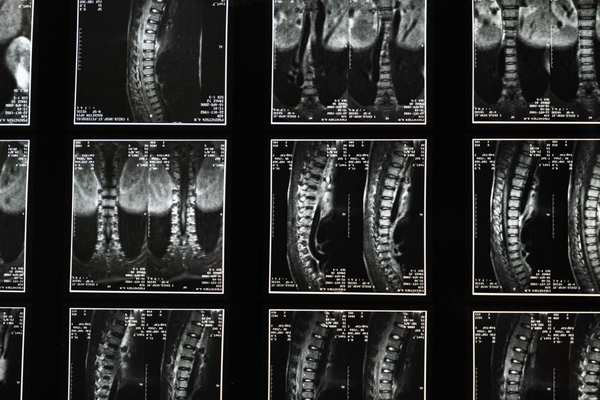
A spinal cord injury can change far more than a medical chart. It can affect mobility, employment, housing, transportation, family responsibilities, and the amount of assistance a person may need for decades. That is why a spinal cord injury compensation claim is usually evaluated differently from a short-term injury case. The central question is not only what the injury has cost so far, but what it is reasonably expected to cost in the future.
What a spinal cord injury claim is designed to cover
In a U.S. personal injury case, compensation may include both economic and non-economic losses when another person or business is legally responsible. Economic losses are the measurable financial consequences of the injury. Non-economic losses address human consequences such as pain, suffering, disability, and loss of enjoyment of life. The exact categories available, and any limits that apply, depend on state law and the type of case.
For a serious spinal injury, the financial side can extend well beyond an initial hospital stay. Records may need to account for rehabilitation, follow-up care, medications, mobility equipment, replacement equipment, personal assistance, accessible transportation, and changes to the home. A spinal injury lawyer may also work with medical, vocational, and economic experts to estimate future needs rather than treating the claim as a stack of past medical bills.
Why future care planning matters so much
Spinal cord injuries can involve long-term or permanent impairment. Someone with paraplegia or tetraplegia may need ongoing therapy, periodic equipment replacement, treatment for complications, or help with daily activities. These needs can change with age, health, technology, and living circumstances.
In major cases, a life-care plan may be used to organize expected future services and costs. It can address medical appointments, rehabilitation, wheelchairs and cushions, home health support, supplies, vehicle modifications, home accessibility, and other reasonably anticipated needs. The goal is not to inflate a claim. It is to avoid valuing a lifelong injury as though treatment ends when the person leaves inpatient rehabilitation.
This is one reason catastrophic injury compensation can be difficult to calculate early. Accepting a settlement before the long-term picture is clear may leave major future expenses outside the final valuation.
Lost income is only part of the employment loss
Past lost wages are often easier to document because pay records, tax returns, and employer statements can show what was missed after the injury. Future loss of earning capacity is more complex. A person may return to work but be unable to perform the same job, work the same hours, travel as before, or pursue the same career path.
Consider a 32-year-old warehouse supervisor who sustains a T12 spinal cord injury and can no longer perform a job that requires frequent lifting and long periods on the floor. If that person later retrains for a desk-based role, the claim may still need to examine the difference between the career path they were likely to have had and the income they can reasonably earn after the injury. Vocational evidence can be especially important when the person is young and the impact may extend across decades of working life.
How paralysis affects settlement value
There is no standard paralysis lawsuit settlement amount. Two people with similar diagnoses can have very different claims because compensation depends on liability, insurance coverage, age, occupation, functional limitations, expected care, prognosis, and the law of the state where the claim is brought.
The level and completeness of the injury also matter. A person who needs round-the-clock assistance may face a different future-care profile from someone who remains largely independent. Likewise, a claimant who can return to a high-paying occupation may have a different earning-loss calculation from someone whose prior career is no longer physically possible.
Settlement value can also be affected by disputed fault. Many states use comparative-fault rules that can reduce a recovery when the injured person is found partly responsible, although the details vary. Damage caps, deadlines, and rules for particular defendants can also differ significantly by jurisdiction.
Evidence that can strengthen the valuation
Strong claims are usually built from documentation rather than broad estimates. Medical records can establish diagnosis, treatment, prognosis, and functional limits. Bills and receipts show costs already incurred. Employment records can support wage loss. Expert opinions may help connect the injury to future medical needs, reduced work capacity, and expected lifetime expenses.
A practical step is to keep a running file of expenses that are easy to overlook: mileage to treatment, parking, medical supplies, accessibility work, paid assistance, equipment repairs, and time missed from work by the injured person. Whether each item is recoverable will depend on the case, but organized records make it easier to evaluate the full financial impact.
Readers researching how personal injury settlements work, catastrophic injury claims, or future medical costs after a serious injury may also find those topics useful when preparing questions for counsel.
What happens before a case settles
A spinal cord injury case may require more investigation than a routine injury claim. Attorneys may review the accident evidence, insurance policies, medical records, employment history, and future-care projections before making a demand. If liability or damages are disputed, the case may proceed into litigation, where depositions, expert reports, medical examinations, and other discovery can shape the eventual value.
That does not mean every case goes to trial. Many claims settle, but the strongest settlement discussions usually happen after the major medical and financial issues are sufficiently understood. A fast offer can be attractive when bills are accumulating, yet speed should be weighed against the risk of closing the claim before long-term needs are known.
FAQ
How much is a spinal cord injury compensation claim worth?
There is no universal figure. Value depends on the severity and permanence of the injury, past and future medical costs, lost income, reduced earning capacity, non-economic harm, available insurance or assets, liability, and state law.
Can future care be included in a settlement?
Potentially, yes. When future treatment or assistance is reasonably expected and supported by evidence, those projected costs may form an important part of the damages analysis.
How long do I have to file a spinal cord injury lawsuit?
Deadlines vary by state and by the type of defendant or claim. Claims involving government entities may have special notice rules and shorter preliminary deadlines. Because missing a deadline can bar a claim, jurisdiction-specific advice should be obtained promptly.
Do I need a specialist lawyer for a paralysis case?
There is no legal requirement to hire a lawyer with a particular label, but severe spinal injury cases often involve complex medical evidence, life-care planning, vocational loss, and future-damages calculations. Experience handling catastrophic injury cases can therefore be especially relevant.
Looking at the full lifetime impact
A serious spinal cord injury claim should be valued around the person’s actual future, not just the invoices that have already arrived. Medical care, independence, work, housing, transportation, and long-term assistance can all affect the financial picture. Careful documentation and realistic life-care planning help show what the injury is likely to require over time, while state-specific legal advice helps identify which losses can be claimed and what deadlines apply.